Sale
Sold out


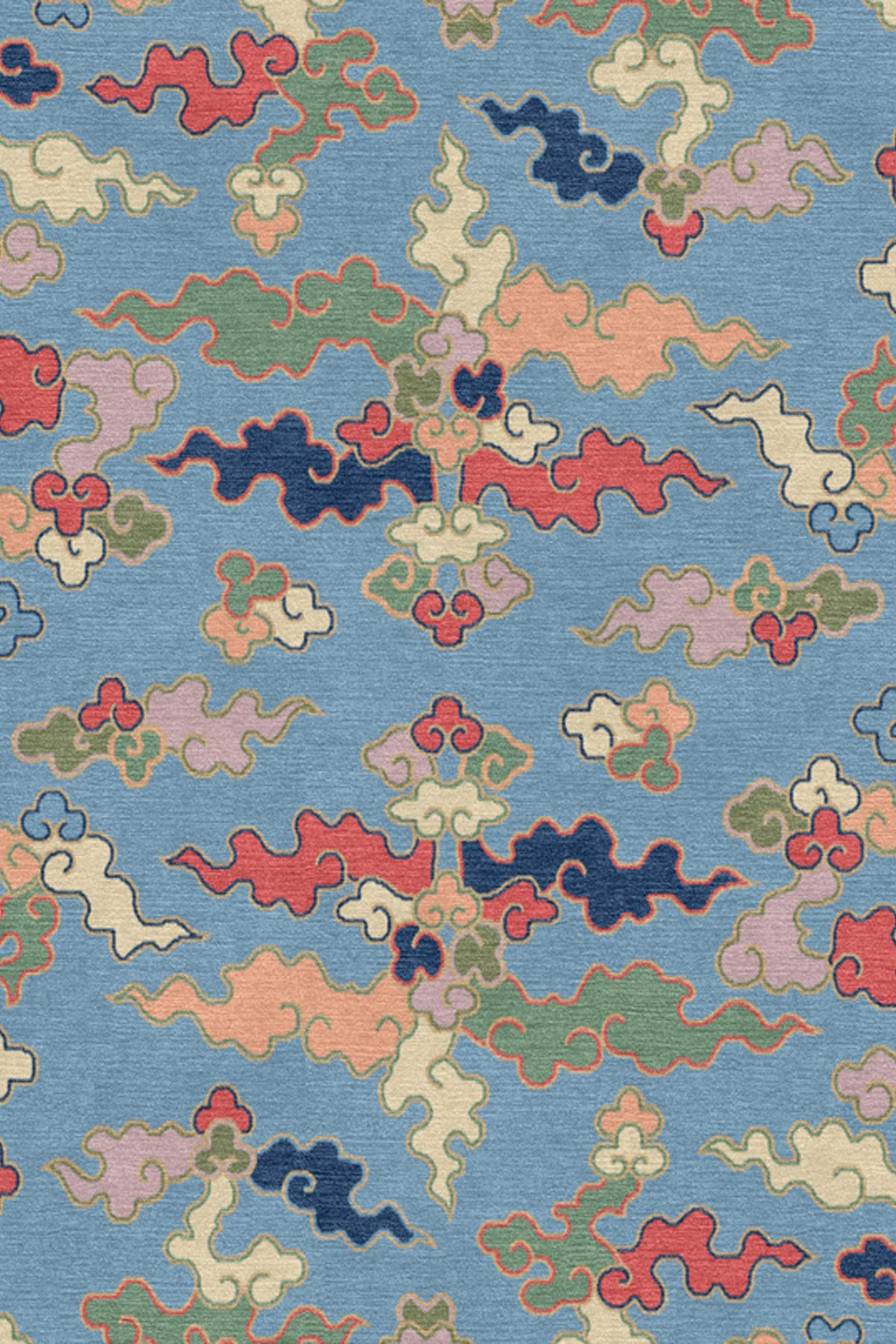
Auspicious clouds stand for good fortune and blessings, evoking the ancient belief in harmony between heaven and earth.
Alongside loong motifs, auspicious clouds are among the most iconic symbols of good fortune in traditional Chinese art.
The history of cloud motifs in China stretches back thousands of years. Through centuries of inheritance and artistic innovation, cloud motifs have taken on a remarkable variety of forms and aesthetic expressions.
Ancient people regarded clouds with great reverence, decorating utensils, garments and buildings with cloud motifs, especially in numerous religious buildings.
The earliest auspicious cloud patterns originated in the Chu region during the mid-Zhou Dynasty. By the mid-to-late Zhou Dynasty, cloud ornaments became the dominant decorative style across the land.
From the Three Kingdoms period through the Northern and Southern Dynasties, the development of the Silk Road and the spread of Buddhism fueled cultural integration. Cloud patterns were combined with Buddhist symbols such as lotus flowers and halos, greatly enriching the artistic expression of religious art.
Through centuries of cultural exchange, cloud motifs also found their way into traditional Tibetan art, where they came to embody philosophical ideas of coexistence and cultural harmony.
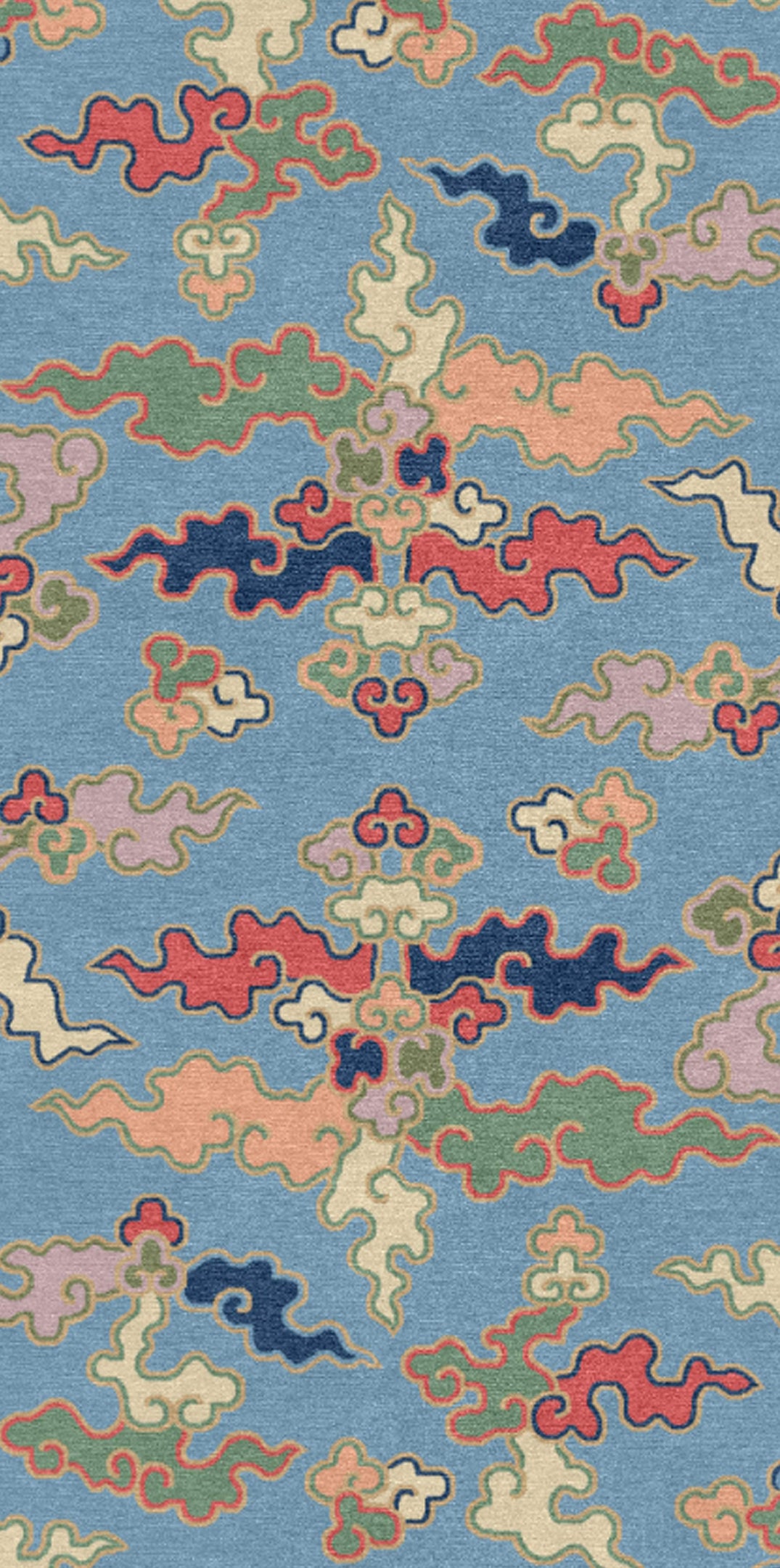
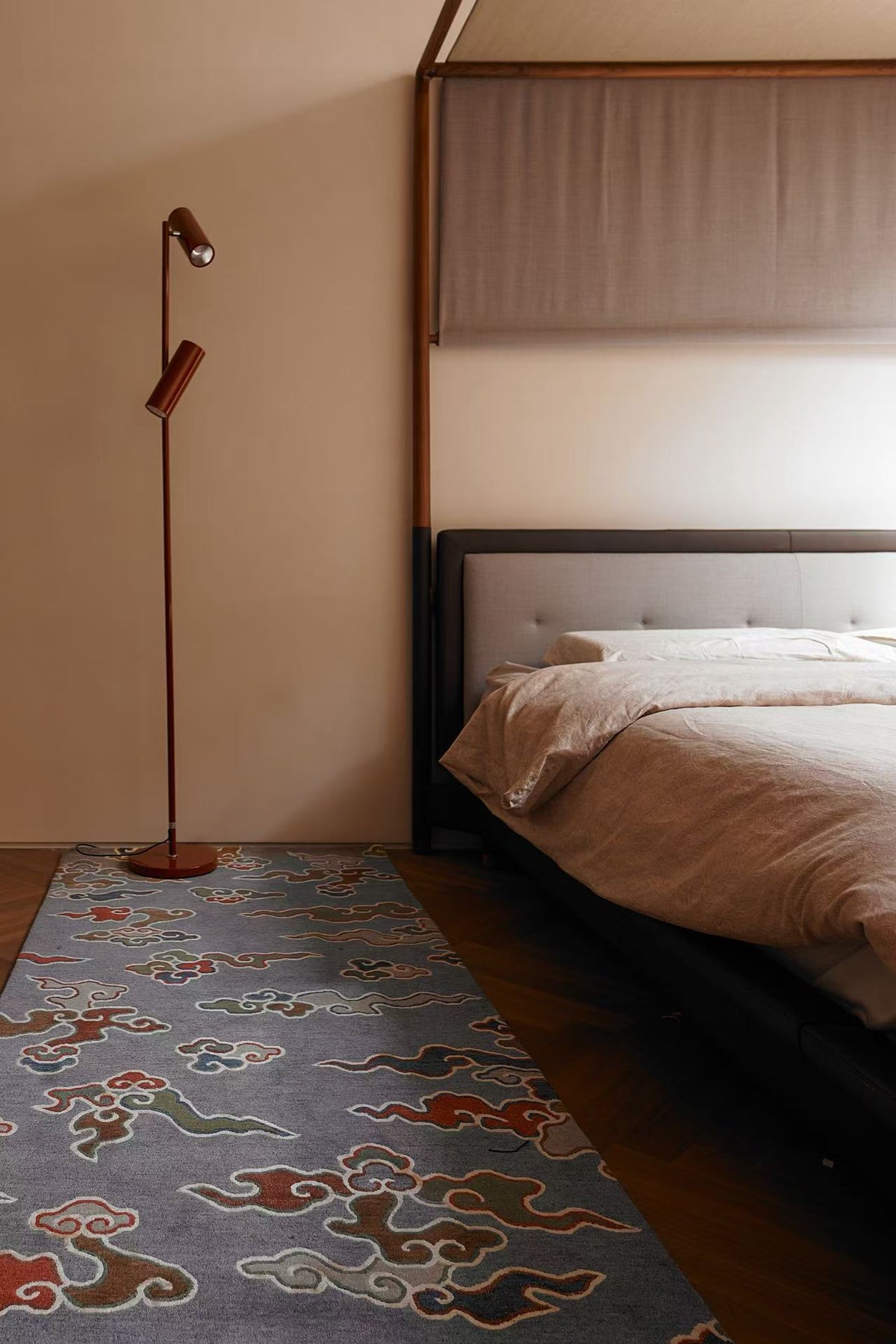
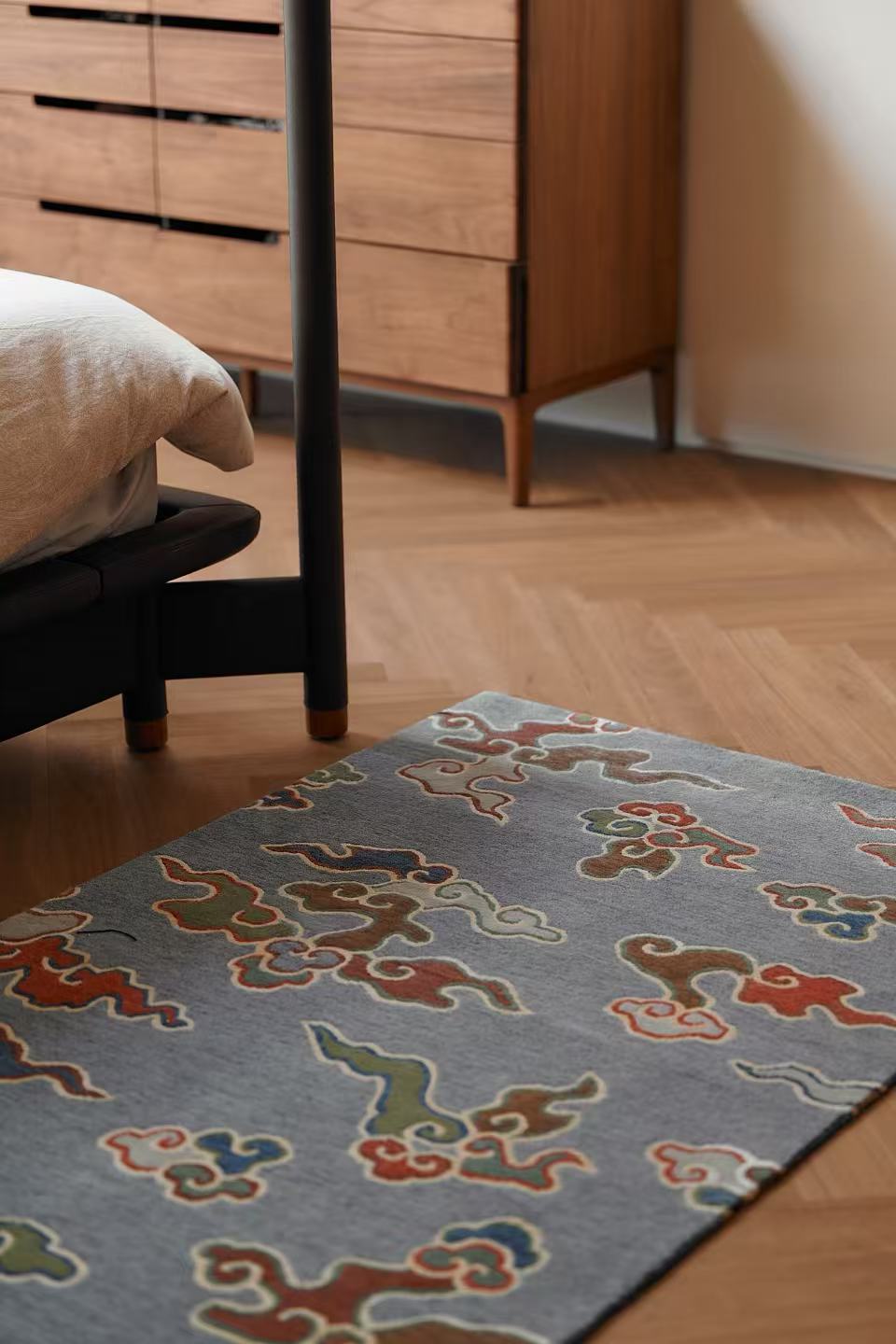
This Tibetan rug features vivid hues. Set against a serene sky-blue backdrop, classic auspicious cloud patterns glow gracefully. The flowing cloud forms evoke a sense of calm and serenity.
As a symbol of blessings and harmony, auspicious clouds embody humanity’s heartfelt wishes for good fortune, joy, and a flourishing life.
Write the content to describe about your product in this tab