Sale
Sold out


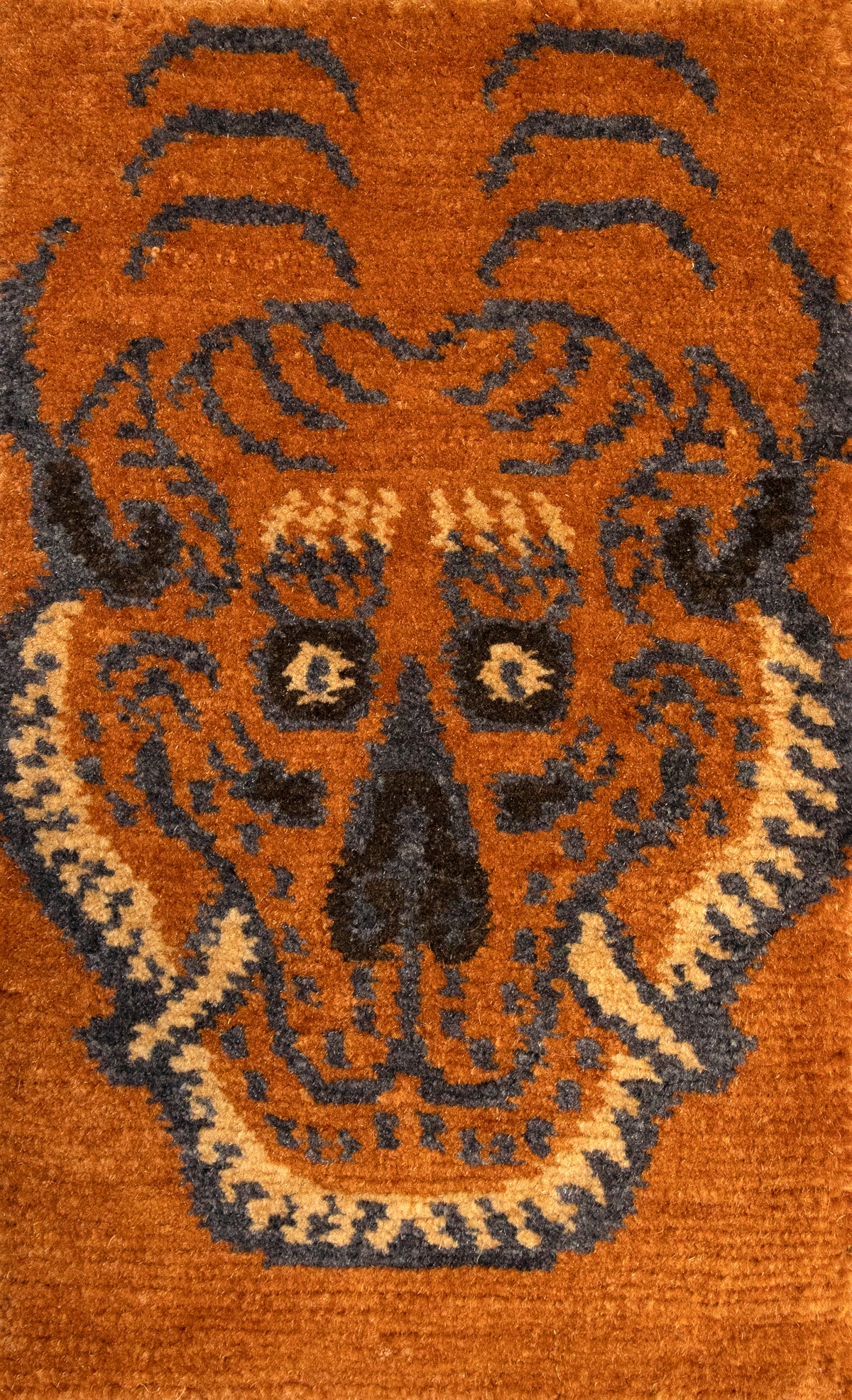
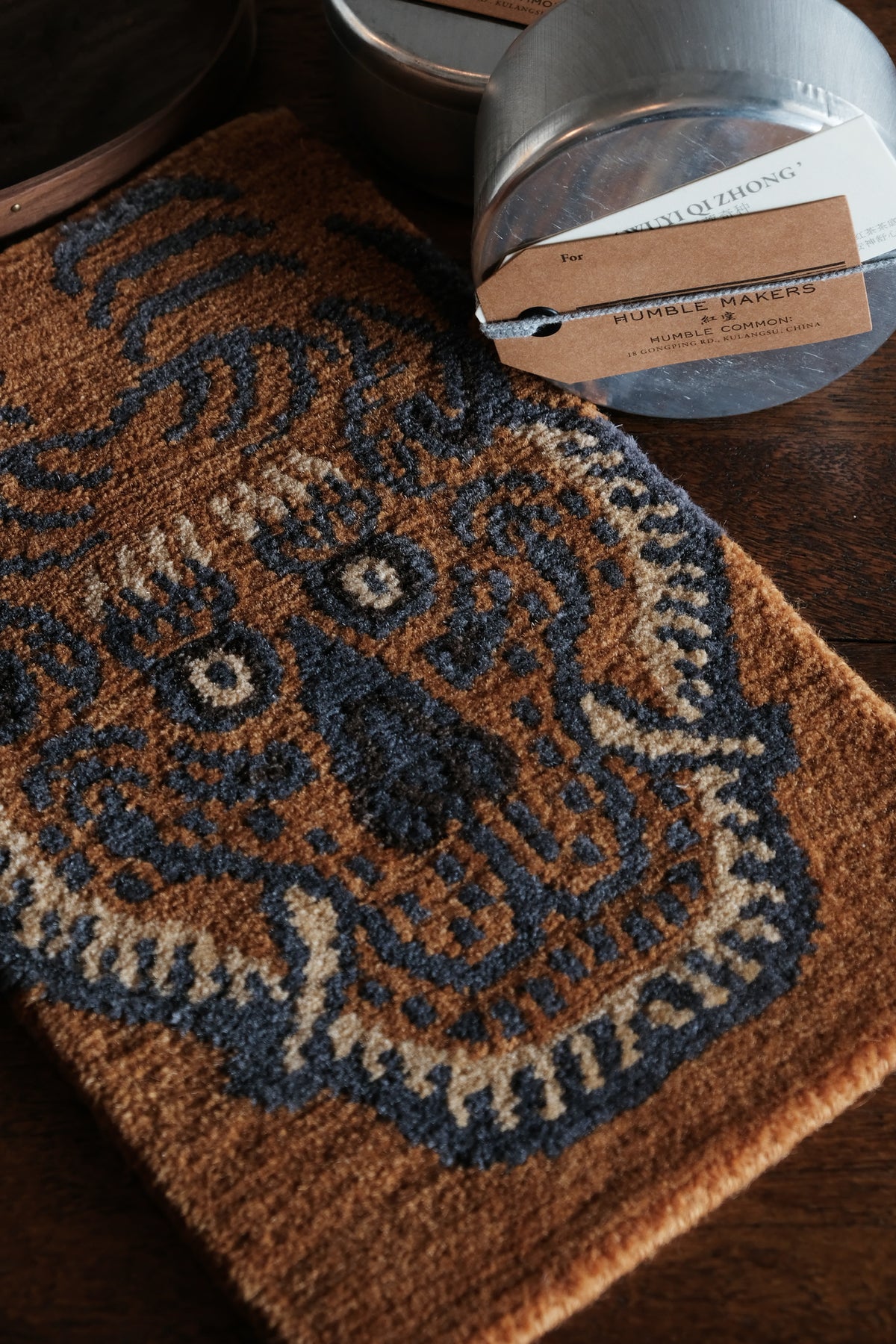
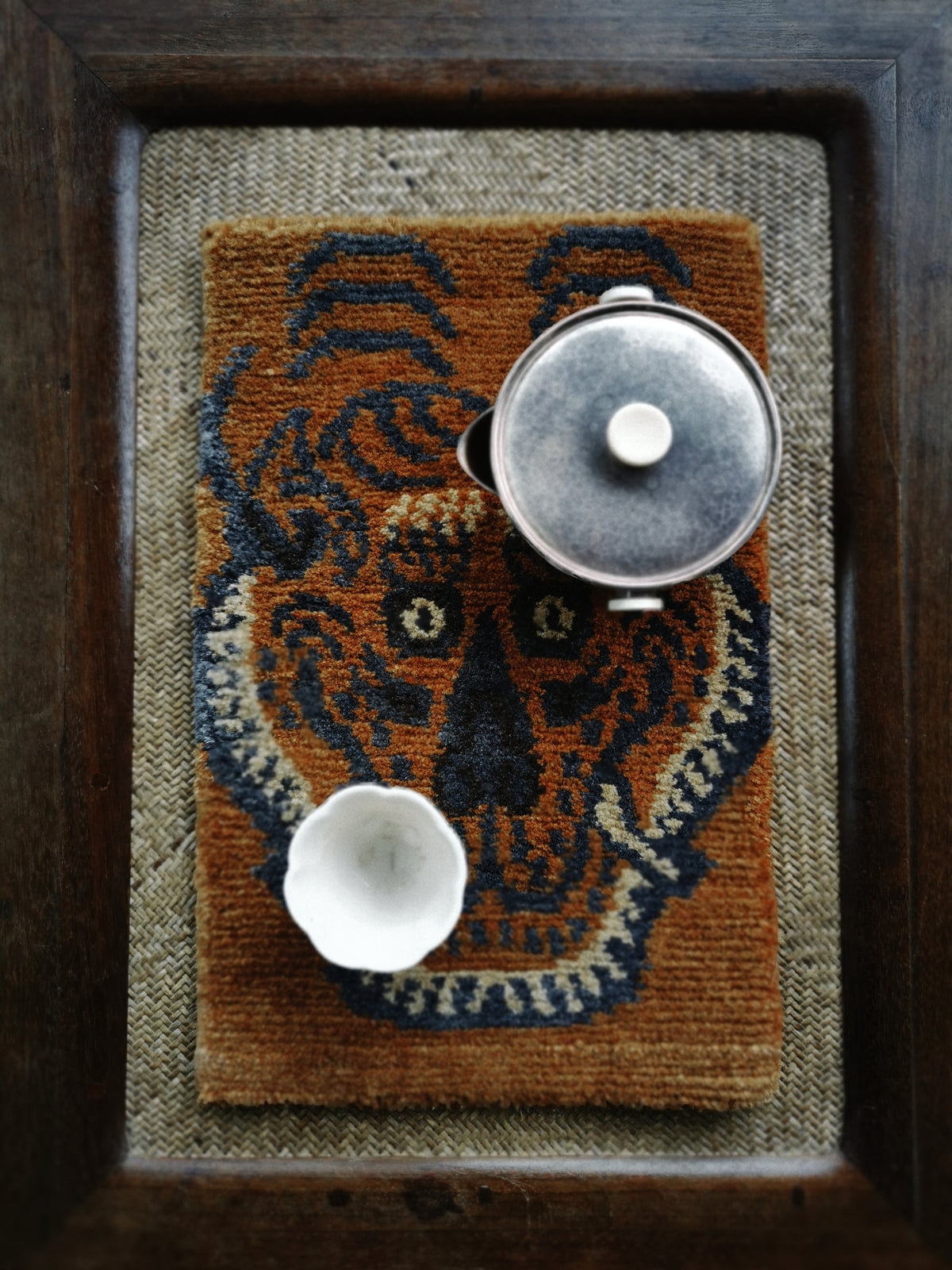
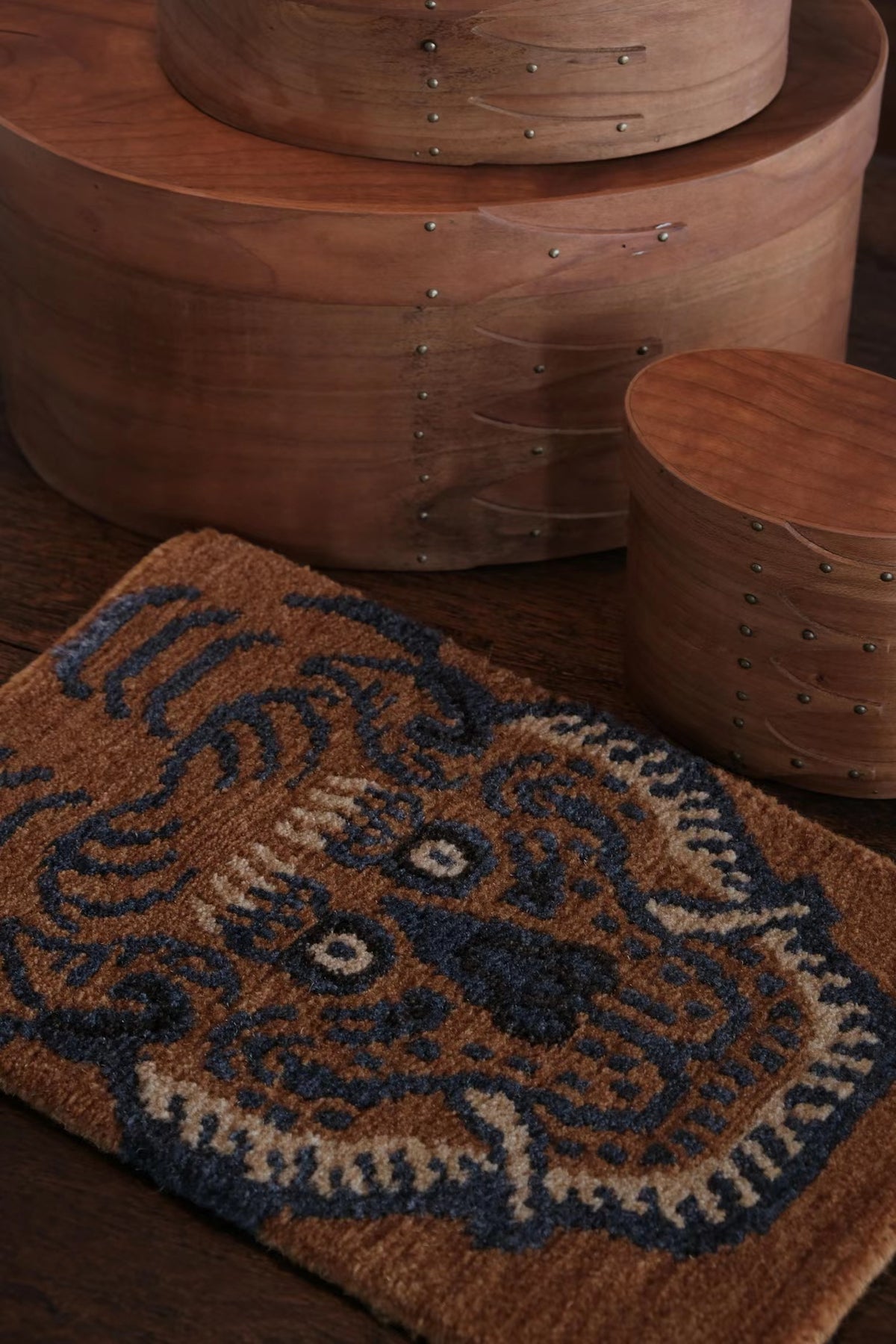


Historical records of tiger-patterned rugs in the Tibetan regions date back more than 1,300 years. As early as 5,000 years ago, people in Ngari carved tiger- and leopard-pelt motifs into mountain cliffs. These markings served as important symbols in grand sacrificial rituals.
Reverence for the tiger has been passed down through Tibetan culture for five millennia. It is believed that the fierce imagery of tiger pelts wards off malicious spirits, protecting people, homes, and monasteries.
Historical records note that, in ancient times, tiger pelts and tiger-motif rugs were reserved for Tibetan nobles, senior religious figures, and esteemed physicians.
Today, tiger-patterned rugs carry these enduring wishes and symbolic meanings into contemporary life, allowing this ancient tradition to be appreciated and embraced more widely.
The tiger also holds a revered place in traditional Han Chinese culture. Tiger imagery has traditionally been believed to ward off evil, protect the household, and bring peace and safety to the family.
As early as the Han Dynasty, tigers were painted on doorways on New Year's Eve as a means of protecting the home. Later, the practice of depicting tigers to safeguard homes and dispel misfortune evolved into a long-standing folk tradition.
Write the content to describe about your product in this tab